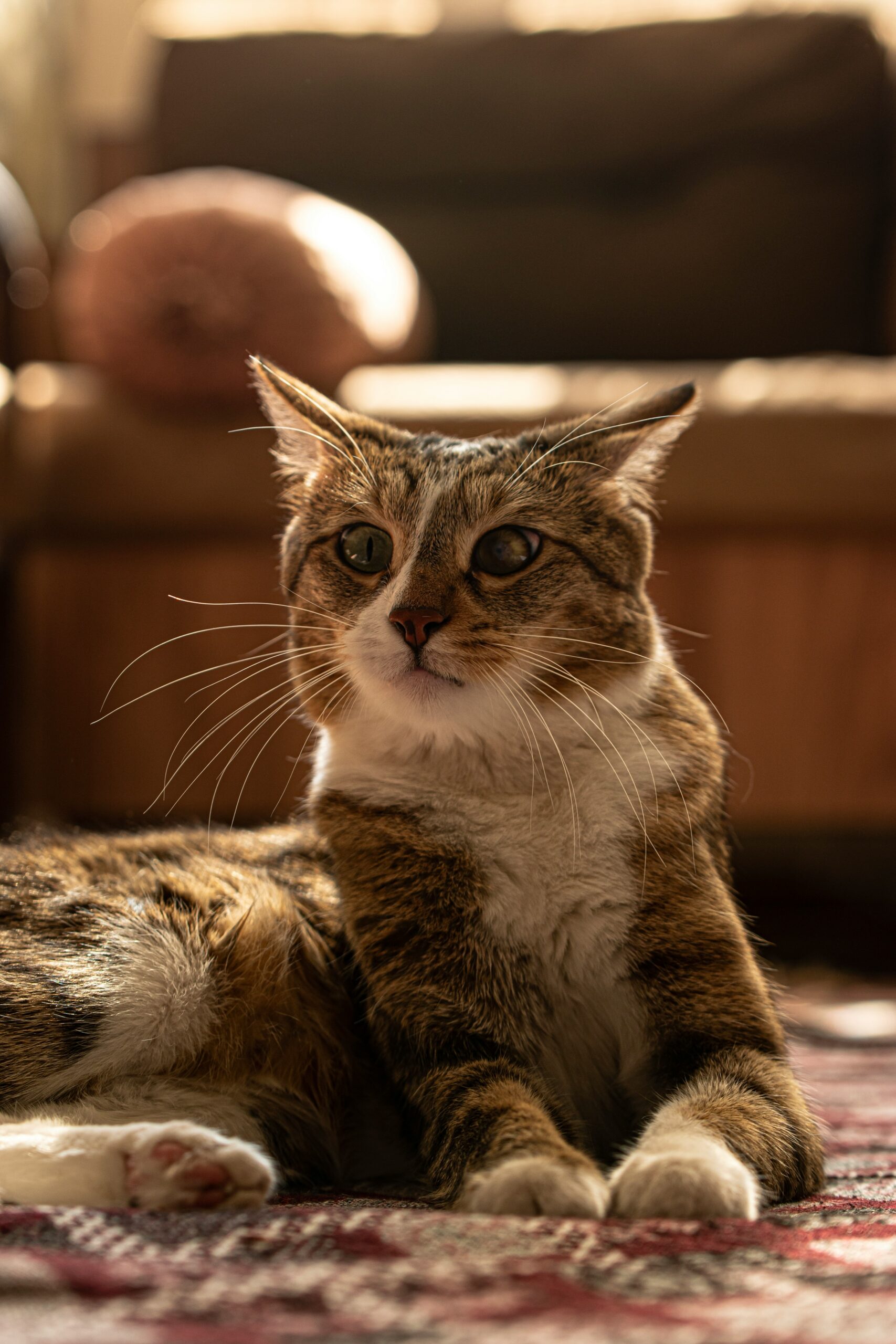
Your senior cat has barely touched her food bowl for two days, and every time you set her dish down, she sniffs it and walks away. If this sounds familiar, you’re not imagining a problem — appetite loss is one of the most common and urgent concerns veterinarians hear from owners of cats aged 10 and older. The underlying causes range from something as manageable as dental discomfort to conditions that need prompt medical attention. In this article, you’ll learn the seven most common reasons a senior cat stops eating, what you can try at home today, and the warning signs that mean it’s time to call your vet.
Quick Answer: Why Is My Senior Cat Not Eating?
A senior cat not eating can be caused by dental pain, kidney disease, hyperthyroidism, arthritis, cognitive dysfunction, medication side effects, or stress-related changes. Many cats will resume eating within 24 hours if the trigger is minor. However, any cat that has not eaten for more than 48 hours needs same-day veterinary evaluation — prolonged fasting triggers hepatic lipidosis (fatty liver disease) in cats, a serious and potentially fatal condition that develops faster in seniors than in younger animals.
Why Appetite Changes Are More Serious in Senior Cats
A younger cat skipping a meal is usually nothing to worry about. In senior cats — broadly defined as those 10 years and older — appetite changes deserve faster attention, for two important reasons.
First, older cats have less metabolic reserve. A healthy two-year-old cat can go a day without food and bounce back easily. A 13-year-old with an underlying condition may begin mobilizing fat reserves within 24–48 hours, putting serious strain on her liver.
Second, appetite loss is frequently the first visible sign of a developing health problem. According to the American Association of Feline Practitioners, many age-related diseases in cats — including kidney disease, hyperthyroidism, and dental disease — present as reduced appetite before any other symptom becomes obvious. Catching the underlying cause early makes a real difference in outcomes.
This isn’t a reason to panic every time your cat misses a meal. It is a reason to watch carefully and act sooner rather than later.
7 Common Reasons a Senior Cat Won’t Eat
1. Dental Disease and Oral Pain
Dental disease is the leading cause of appetite loss in senior cats. Studies estimate that more than 70% of cats over age 3 show some degree of periodontal disease, and by the time a cat reaches 10 or 11, painful teeth or inflamed gums are extremely common. A cat in oral pain will approach the bowl, sniff, and retreat — or eat on one side of her mouth only, dropping food as she chews.
Signs to watch for: drooling, pawing at the mouth, eating very slowly, or suddenly preferring soft food over kibble.
What you can try at home: Offer wet or softened food temporarily — it’s easier to chew and may keep your cat eating while you arrange a dental evaluation. This manages the symptom but doesn’t address the underlying issue.
2. Chronic Kidney Disease
Chronic kidney disease (CKD) affects an estimated 30–40% of cats over age 10, making it one of the most prevalent conditions in geriatric felines. As kidney function declines, uremic toxins accumulate in the bloodstream, causing nausea, lethargy, and a persistent loss of appetite. Many cats with CKD also experience mouth ulcers, which add a pain component to the already-reduced desire to eat.
Dietary management is central to slowing CKD progression and can significantly improve a cat’s quality of life and willingness to eat. Cats in early or mid-stage kidney disease often benefit from a phosphorus-controlled, kidney-supportive diet that reduces the metabolic burden on compromised kidneys.
If your veterinarian has diagnosed your cat with CKD or flagged early renal sensitivity on bloodwork, they may discuss transitioning to a prescription renal diet. One option that comes up frequently in veterinary conversations is Purina Pro Plan Veterinary Diets NF Kidney Function — a diet formulated specifically to support kidney function in cats, with controlled phosphorus and high-quality protein calibrated to renal patients’ needs. Important note: This is a prescription veterinary diet, not an over-the-counter product. Always consult your veterinarian before transitioning your cat to any prescription renal food. Your vet will assess your cat’s bloodwork, disease stage, and overall health before recommending or approving this type of diet.
3. Hyperthyroidism
Hyperthyroidism is the most common endocrine disorder in senior cats, typically appearing in cats over age 10. It’s caused by a benign tumor on the thyroid gland that causes it to overproduce thyroid hormone, sending metabolism into overdrive.
Interestingly, many hyperthyroid cats show increased appetite early in the disease — eating more but losing weight rapidly. As the disease progresses or complications develop (including hypertension and heart disease), appetite can drop significantly due to nausea and systemic stress.
A simple blood test measures thyroid hormone levels and confirms the diagnosis. Treatment options — daily oral medication, transdermal gel, radioactive iodine, or surgery — typically normalize thyroid levels and restore appetite within weeks.
4. Arthritis and Mobility Pain
This cause gets overlooked more than any other. A cat with arthritis in her spine, hips, elbows, or neck may find it genuinely painful to lower her head to a floor-level food bowl. The result is a cat who seems uninterested in eating, when in reality she’s avoiding the physical discomfort of reaching down.
Watch for: hesitation before approaching the bowl, standing over the bowl without eating, or eating awkwardly with her neck extended rather than lowered.
One of the simplest interventions: Raise the food bowl to a comfortable height — a few inches off the floor can make a meaningful difference. Many owners report their cat immediately eating more willingly after this one adjustment.
5. Cognitive Dysfunction Syndrome (CDS)
Feline cognitive dysfunction — the cat equivalent of dementia — affects an estimated 28% of cats between 11 and 14 years of age, with rates increasing significantly beyond 15. Disorientation, forgetting where the food bowl is located, disrupted sleep-wake cycles, and loss of routine can all reduce food intake in cats with CDS.
If your senior cat also seems confused, vocalizes unusually at night, appears to stare into space, or has forgotten previously learned habits, cognitive dysfunction may be playing a role alongside the appetite change.
6. Medication Side Effects
If your cat recently started a new medication and her appetite dropped within a few days of beginning it, there’s a clear connection worth discussing with your vet. Many commonly prescribed drugs — including antibiotics, anti-inflammatory medications, heart medications, and chemotherapy agents — list nausea and reduced appetite among their side effects.
Your vet may be able to switch to a different formulation, adjust the dosage timing, or prescribe an anti-nausea medication alongside the primary treatment to help your cat eat normally.
7. Stress, Routine Changes, and Environmental Factors
Senior cats are significantly more sensitive to environmental disruption than younger cats. A new pet in the household, a houseguest, a move, a rearranged feeding area, or even switching to a different food bowl can be enough to shut down a senior cat’s appetite.
This is more common than most owners realize, and the fix is often straightforward: restore the familiar, minimize unnecessary change around feeding time, and give your cat a quiet, predictable space to eat without competition or distraction.
Practical Things You Can Try at Home
If your senior cat has been off food for less than 24 hours and is showing no other concerning symptoms, try these steps before reaching for the phone:
- Warm the food slightly — 10–15 seconds in the microwave (stir thoroughly and test the temperature first) releases aroma compounds that often re-engage a reluctant cat’s appetite. Serve at body temperature, not hot.
- Switch to wet food temporarily — if your cat is on dry kibble, the stronger smell and softer texture of wet food frequently gets things moving again. It’s also gentler on sore teeth and gums.
- Offer a novel protein — cats can develop strong aversions to familiar proteins, especially if that food was present during a period of nausea. If your cat normally eats chicken, try salmon or turkey.
- Raise the food bowl — elevate it a few inches off the floor to reduce neck strain, particularly if your cat shows any stiffness or reluctance to bend down.
- Separate feeding stations — in multi-cat households, an assertive cat may be guarding the food area. Feed your senior cat in a separate, quiet room.
- Reduce household stress — dim the noise around feeding time, keep her routine consistent, and give her 15–20 minutes of quiet before placing her food.
When to See Your Vet
Do not wait if any of the following apply:
- Your cat has not eaten for more than 48 hours
- You notice visible weight loss over the past few weeks
- Your cat is vomiting, has diarrhea, or seems nauseous
- There is increased thirst or urination — classic early signs of kidney disease or diabetes
- Your cat appears lethargic, weak, or unsteady
- You see yellowing of the eyes, gums, or skin — this signals liver involvement and is a same-day emergency
- Your cat is losing muscle mass noticeably around the spine or hips
A senior cat that has not eaten for 48+ hours is not a “wait until Monday” situation. Hepatic lipidosis develops quickly in cats, especially those who carry extra weight, and requires aggressive supportive care. Earlier intervention always leads to better outcomes.
Veterinary Disclaimer: The information in this article is for educational purposes only and is not a substitute for professional veterinary advice. Always consult your veterinarian before starting any new supplement, diet, or health regimen for your pet.
Frequently Asked Questions
How long can a senior cat go without eating before it becomes dangerous?
A senior cat should not go more than 48 hours without eating. Unlike dogs or humans, cats begin metabolizing stored fat very quickly during periods of food deprivation. Without adequate protein intake to support this process, fat overwhelms the liver and causes hepatic lipidosis — a condition that can become life-threatening within days. Older cats and overweight cats are at the highest risk. If your senior cat has skipped 2 full days of meals, contact your veterinarian the same day, not tomorrow.
Should I force-feed my senior cat if she refuses to eat?
Do not attempt force-feeding at home without direct veterinary instruction. Done incorrectly, it causes significant stress, can damage your cat’s relationship with food long-term, and carries a real risk of aspiration (food entering the airway). If your vet determines that assisted feeding is necessary, they will show you how to safely syringe-feed a specific recovery formula — or, in more serious cases, discuss placement of a feeding tube, which is gentler than it sounds and often dramatically improves outcomes in cats who are severely ill.
Can a senior cat refuse food simply because she’s bored of it?
Yes — this is sometimes called food aversion or flavor fatigue. Cats that eat the same food for extended periods can abruptly refuse it, particularly if they’ve associated that smell with a period of nausea from an unrelated illness. Offering a novel protein or a different texture often breaks the cycle. That said, food aversion lasting more than 24 hours in a senior cat still warrants a call to your vet to rule out medical causes.
Is it normal for senior cats to eat less as they age?
A modest, gradual decrease in caloric intake can be normal as older cats become less active and their metabolic rate shifts. What is not normal is sudden refusal to eat, significant appetite loss over days, or weight loss alongside reduced eating. Any of these warrant investigation. Aging alone should not cause a cat to stop eating.
What is the best food for a senior cat that won’t eat?
The best choice depends on the reason for the appetite loss. Wet food is generally the most accessible starting point — its stronger aroma and soft texture work well whether the issue is dental pain, nausea, or simple pickiness. For cats with confirmed kidney disease, your vet will guide you toward an appropriate prescription renal diet. For cats with no diagnosed underlying condition, a high-quality senior wet food formulated for cats 10+ is a practical and palatable option while you investigate further.
Final Thoughts
A senior cat not eating is one of those situations that rewards calm, methodical attention. Most of the time there’s a specific, identifiable cause — and most causes are manageable when addressed early. The key is resisting the temptation to chalk it up to “just getting old” and losing two or three critical days in the process.
Watch carefully, try the simple fixes, and call your vet if it’s been more than 48 hours or if anything else seems off. Your senior cat relies on that extra layer of attentiveness that comes with age — and so do you, as her owner.