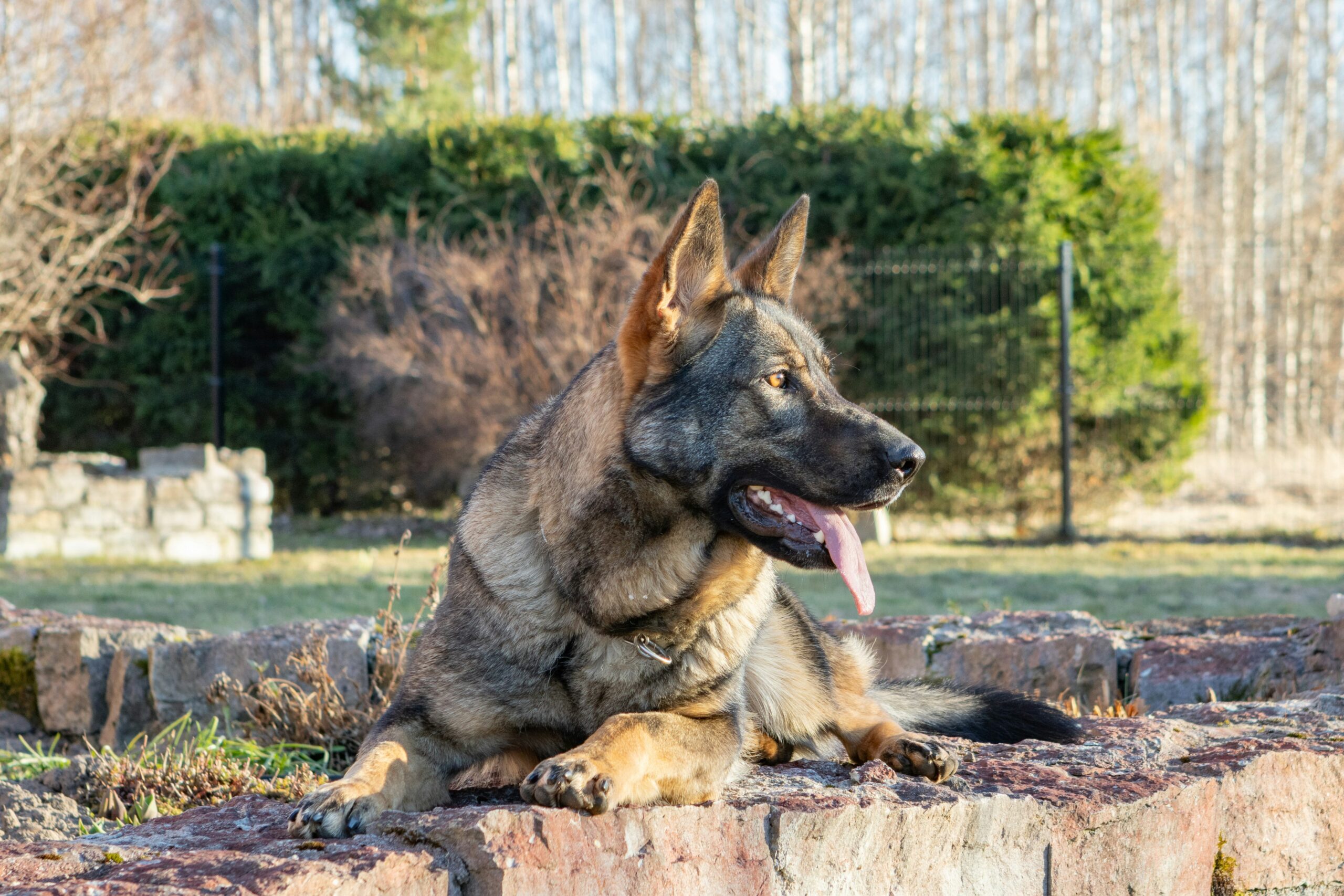
You notice it in small ways at first. He takes the stairs a little slower. The morning walk has become a morning stroll. He sleeps deeper, sighs more, and when he looks up at you from his bed, there’s a softness in his eyes that wasn’t there a few years ago. And so, quietly, you find yourself wondering — how much time do we still have together?
It’s one of the hardest questions a dog owner ever asks. The truthful answer is that senior dog lifespan isn’t a single number — it depends on size, breed, weight, dental care, the food in his bowl, and the choices you make every single day. The reassuring part: you have far more influence over how long, and how well, your dog lives than most owners realize.
Quick Answer: How Long Do Senior Dogs Live?
On average, a senior dog’s lifespan depends mostly on size. Small dogs (under 20 lbs) often live 14–16 years, medium dogs (20–50 lbs) typically reach 11–13 years, large dogs (50–90 lbs) average 10–12 years, and giant breeds (over 90 lbs) commonly live just 7–10 years. A dog who is “senior” today usually has 2–5 quality years ahead, especially if weight, nutrition, and joint health are well managed.
| Size Category | Weight Range | Average Lifespan |
|---|---|---|
| Small | Under 20 lbs | 14–16 years |
| Medium | 20–50 lbs | 11–13 years |
| Large | 50–90 lbs | 10–12 years |
| Giant | Over 90 lbs | 7–10 years |
Why Small Dogs Live Longer Than Large Dogs
It feels counterintuitive. In nearly every other species, bigger animals live longer — elephants outlive mice by decades. But in dogs, the pattern flips. A Chihuahua often celebrates her 16th birthday while a Great Dane is considered very old at eight.
Researchers don’t have one tidy answer, but several factors are well established. Large dogs grow faster as puppies, and that accelerated growth appears to come with a biological cost — their cells age more quickly, and they’re more prone to certain cancers later in life. According to the American Kennel Club, large and giant breeds essentially “live in fast-forward” compared to smaller dogs.
Body size also strains the cardiovascular system: a bigger dog’s heart has to work harder, for longer distances, with each beat. Joints carry more weight, organs do more work, and the cumulative wear adds up. Smaller dogs simply ask less of their bodies over a lifetime.
That doesn’t mean a giant-breed owner is helpless — far from it. It just means the baseline is shorter, and every healthy choice you make has an outsized impact on the years you share.
Factors That Influence Senior Dog Lifespan
Genetics and size set the rough boundaries, but everything between those boundaries is shaped by daily care. The five factors below are the ones veterinarians return to again and again.
1. Nutrition and Weight Management
Of all the variables you control, weight is the single most powerful one. A landmark 14-year Purina Life Span Study found that lean dogs lived an average of 1.8 years longer than their overweight counterparts — and they stayed mobile and pain-free far longer.
Senior dogs need fewer calories than they did at three or four, but they also need higher-quality protein to preserve muscle mass. Avoid free-feeding, weigh your dog every few months, and adjust portions before extra pounds become a problem.
2. Dental Care
It surprises owners how much teeth matter. Periodontal disease is the most common health issue in adult dogs, and the chronic low-grade inflammation it causes spreads beyond the mouth — affecting the heart, kidneys, and liver over time. Daily or near-daily brushing, dental chews, and professional cleanings under your vet’s guidance can add measurable years to a dog’s life.
3. Regular, Appropriate Exercise
Movement keeps muscle on the frame, joints lubricated, and weight in check. The trick with senior dogs is appropriate exercise: shorter, more frequent walks on flat surfaces beat one long, demanding outing. A 12-year-old dog should never be doing what an 18-month-old dog does — but he should still be doing something every day.
4. Routine Veterinary Visits
Twice-yearly wellness visits become essential after age seven. Bloodwork can catch kidney disease, liver issues, thyroid imbalance, or early diabetes long before symptoms are visible at home — and most senior conditions are far more manageable when caught early. Skipping the senior wellness panel is one of the most common, and most costly, mistakes well-meaning owners make.
5. Mental Engagement and Companionship
Dogs who stay engaged — through gentle training, scent games, novel walks, or simply more time around their humans — show slower cognitive decline. A bored, isolated senior dog ages faster than an interested, included one. The bar is low: a five-minute snuffle mat or a new sniffing route during a walk counts.
Signs Your Dog Is Truly Aging (Not Just Slowing Down)
There’s a difference between a dog who is naturally maturing and a dog who is showing the early changes of senior life. Some signs to watch for:
- Stiffness or hesitation before standing, jumping, or climbing stairs
- Cloudy eyes (often a normal change called nuclear sclerosis, but worth checking)
- Greying around the muzzle and eyes
- Decreased stamina on familiar walks
- More sleep, deeper sleep
- Subtle behavior shifts — less interest in toys, slower greetings, occasional confusion
- Gradual weight changes in either direction
The mobility signs in particular are worth paying close attention to, because they’re often the first things to respond to changes in care. If you’ve noticed your dog favoring a leg, slowing on stairs, or struggling to rise after rest, the early-stage cues in signs your dog needs a joint supplement will help you understand what’s happening and what you can do about it before it progresses.
What You Can Do Today to Extend Your Senior Dog Lifespan
Lifespan numbers are averages — your dog’s actual years depend on what you do this week, this month, this year. A few practical, evidence-backed steps that pay back the most:
Refine the food bowl. A senior-formulated diet with high-quality protein, controlled calories, and added omega-3 fatty acids supports muscle maintenance, joint comfort, and brain health all at once. Many owners also layer in a daily multivitamin formulated for older dogs.
For everyday nutritional support, VetriScience GlycoFlex Plus & Canine MultiVitamin are a practical option. They aren’t a treatment — think of them as a daily multivitamin built specifically for senior dogs, with a blend of vitamins, minerals, antioxidants, and joint-supportive ingredients in a single soft chew. They’re easy to give, gentle on sensitive stomachs, and a sensible foundation while you focus on bigger pieces of the puzzle.
Upgrade his sleep. This sounds optional. It isn’t. Senior dogs sleep 14–18 hours a day, and the quality of that rest directly affects inflammation, joint recovery, and even cognitive function. A dog sleeping on a flat, thin bed wakes stiffer than a dog sleeping on proper support.
The this orthopedic memory foam dog bed is a long-time favorite among owners of older dogs precisely because the solid memory foam base distributes pressure evenly across hips, shoulders, and elbows. Better sleep means lower inflammation, easier mornings, and more useful daytime hours — small upgrades to a senior dog’s life that compound month after month.
Schedule the senior wellness visit. If your dog is over seven and hasn’t had bloodwork in a year, that one decision will likely do more for his lifespan than anything else on this list.
Move him every day. Even on hard days. Even when it’s just a slow lap of the yard. Movement preserves muscle, mood, and mobility — three pillars that quietly determine how long a senior dog stays a senior dog before he becomes a fragile one.
When Is a Dog Officially “Senior”?
The answer depends on size more than chronology. A Labrador might be considered senior at seven, while a Yorkie isn’t really senior until ten or eleven. Most veterinary guidelines define the senior stage as roughly the last 25% of a dog’s expected lifespan — which means giant breeds enter senior life dramatically earlier than small ones.
If you’re unsure where your own dog falls and what to expect at his stage, we cover the full breakdown by size and breed in when is a dog considered a senior? — it’s a useful starting point for understanding what “senior” actually means for your specific dog.
Veterinary Disclaimer: The information in this article is for educational purposes only and is not a substitute for professional veterinary advice. Always consult your veterinarian before starting any new supplement or health regimen for your pet, especially if your dog has existing medical conditions.
Frequently Asked Questions
What is the average senior dog lifespan?
The average senior dog lifespan varies considerably by size. Small dogs live around 14–16 years, medium dogs 11–13 years, large dogs 10–12 years, and giant breeds typically 7–10 years. Once a dog enters senior life — usually the last 25% of his expected lifespan — most well-cared-for dogs have 2–5 good years remaining, sometimes more with strong nutrition, weight management, and proactive vet care.
Can I really extend my senior dog’s life?
Yes — meaningfully. Studies on weight management alone show lean dogs live nearly two years longer than overweight ones. Layered with good dental care, daily appropriate exercise, twice-yearly senior wellness visits, and a proper senior diet, the cumulative effect can be substantial. You can’t outrun genetics or breed predispositions, but you can absolutely shift where your dog falls within his range.
What is the longest a senior dog has lived?
The oldest dog reliably documented lived to around 30 years (an Australian Cattle Dog named Bluey). More commonly, the oldest small breeds may reach 18–20 years with excellent care. These outliers are rare, but they illustrate just how much controllable factors — clean diet, lean body weight, low stress, regular movement — can stretch a lifespan.
At what age do most dogs die?
Most dogs die between 10 and 13 years of age, with the cause typically being cancer, organ failure (kidney, heart, or liver), or complications from arthritis and reduced mobility. Small breeds skew higher, often passing in their mid-to-late teens. Giant breeds sadly skew much lower, with many passing between 7 and 10.
Do senior dogs know when they are dying?
Many veterinarians and behaviorists believe dogs sense significant changes in their own bodies, even if they don’t conceptualize death the way humans do. Some senior dogs become more affectionate or clingy, others seek solitude, and changes in appetite or sleep are common. If you sense something has shifted, trust that instinct — and call your vet sooner rather than later.
Final Thoughts
The hard truth is that we always have less time with our dogs than we want. But the better truth — the one worth holding onto — is that the years you do have are far more in your hands than most owners realize. Senior dog lifespan isn’t fixed at a number on a chart. It bends, day by day, around weight, food, sleep, movement, dental care, and the simple fact that he is loved and watched closely.
Start where you are. Look at his weight honestly. Book the senior wellness visit you’ve been putting off. Upgrade his bed. Add the daily multivitamin. Walk a little slower with him, and a little more often.
If you’re not sure whether your dog has actually crossed into senior territory yet, when is a dog considered a senior? is the right place to start. Knowing where he is in his journey is the first step in giving him the best possible version of the years still ahead.