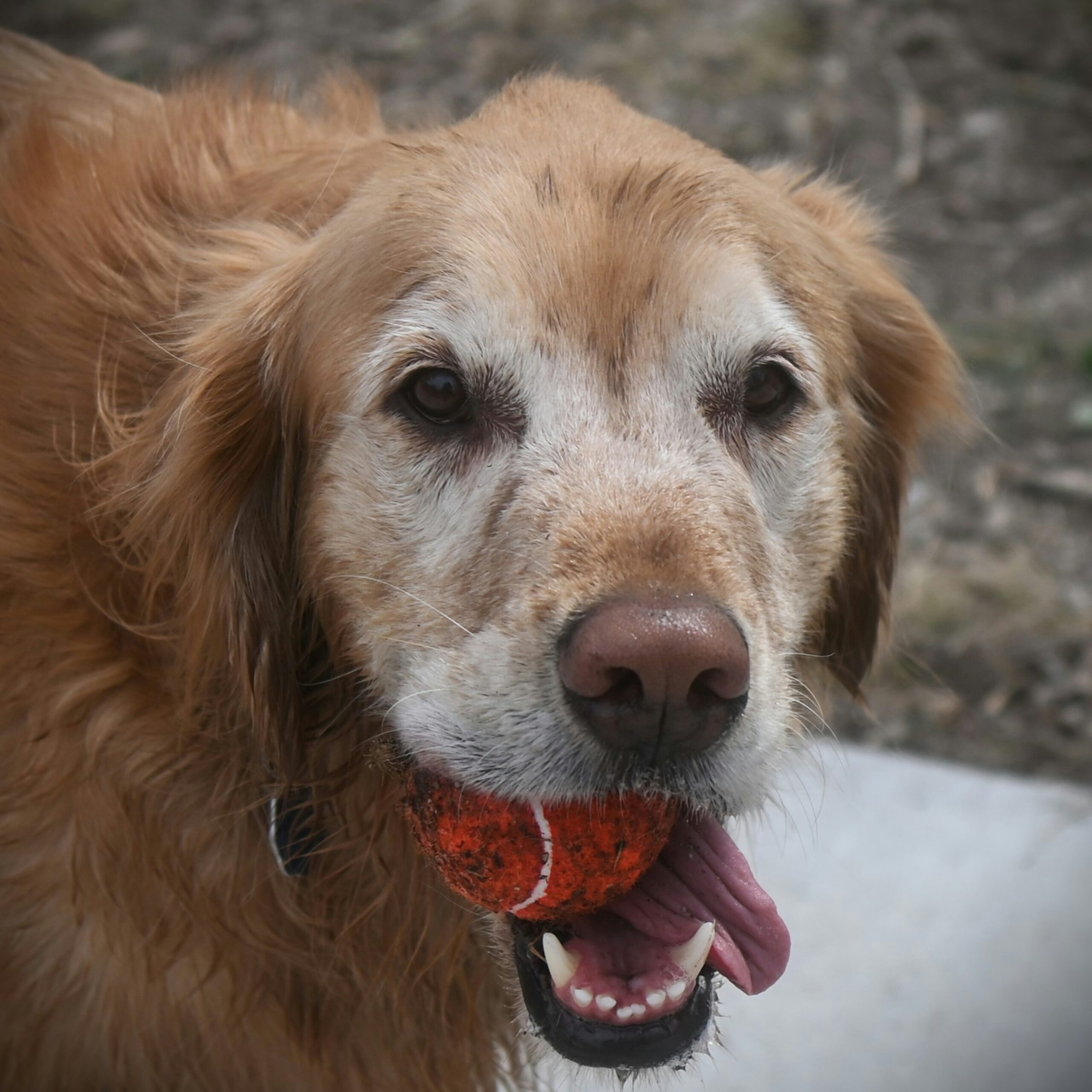
You watch your dog push himself up from his bed in the morning — slowly, carefully, with a small grunt you’ve never heard before. He used to spring to his feet the moment you reached for the leash. Now he needs a moment. Maybe a few moments.
If that scene feels familiar, you’re not alone. Senior dog stiff legs are one of the most common concerns pet owners bring to the vet once their dog crosses the seven-year mark. The good news: there’s quite a bit you can do, both at home and alongside your veterinarian, to make your dog more comfortable and keep him moving.
Quick Answer: How Do You Help a Senior Dog with Stiff Legs?
A senior dog with stiff legs needs a combination of environmental support, gentle daily movement, and targeted joint care. Start by adding non-slip mats on hard floors, switching to an orthopedic bed, and keeping walks short but consistent. Many dogs benefit significantly from a quality joint supplement containing glucosamine and chondroitin. If stiffness is severe, worsening, or accompanied by whimpering, a vet visit is essential to rule out arthritis or other underlying conditions.
Why Senior Dogs Develop Stiff Legs
Dogs age faster than we do, and their joints feel it. By the time a dog reaches 7–10 years (earlier for large breeds), the cartilage cushioning their joints has been absorbing years of impact — running, jumping, climbing stairs. That wear begins to show.
The most common reasons for stiffness in older dogs include:
Osteoarthritis — the single leading cause of mobility issues in senior dogs. According to the American Kennel Club, an estimated 1 in 5 adult dogs is affected by arthritis, and the numbers rise sharply in dogs over 8. Cartilage thins, bones begin to rub, and the resulting inflammation is what causes that slow, stiff walk you see in the morning.
Hip and Elbow Dysplasia — a structural condition where the joint doesn’t form correctly. It’s hereditary and common in larger breeds like Labradors, German Shepherds, and Golden Retrievers. Dogs with dysplasia may be well-managed for years but show increasing stiffness as they age.
Muscle Loss (Sarcopenia) — older dogs naturally lose muscle mass, which puts more load on joints and reduces the support structure around them. A dog who looks a little “bony” along the back or hindquarters may be dealing with sarcopenia in addition to joint changes.
Spondylosis — bony spurs that form along the spine, common in senior dogs and sometimes missed because it’s not always obvious on the outside. It can cause stiffness in the back and rear legs especially.
Stiffness that appears primarily in the morning and loosens up after a few minutes of movement is a classic sign of arthritis. If you’re seeing those early signals — slower to stand, reluctance to jump, a subtle change in gait — it’s worth reading about signs your dog needs a joint supplement to understand what to look for before it progresses.
What You Can Do at Home Today
You don’t have to wait for a vet appointment to start making your dog more comfortable. These changes are low-cost, low-risk, and often make a noticeable difference within days.
1. Add Non-Slip Surfaces Throughout the House
Hardwood and tile floors are beautiful — and brutal for arthritic dogs. When a dog can’t trust his footing, he braces and stiffens his joints even more with every step. Rubber-backed rugs, yoga mats, or dedicated dog traction mats placed at key spots (in front of the bed, at the bottom of stairs, in the kitchen where he eats) give him the grip he needs to move more freely.
2. Switch to an Orthopedic Bed
A standard flat dog bed provides almost no pressure relief for aching joints. Memory foam orthopedic beds designed for dogs distribute weight more evenly, reducing pressure points at the hips, shoulders, and elbows. Look for beds with a low entry height — if your dog has to step up or over a high edge to get in, that small effort may be discouraging him from resting properly.
3. Raise the Food and Water Bowls
For dogs with stiffness in the front legs, neck, or shoulders, bending down to a floor-level bowl is uncomfortable and puts strain on the spine and forelimbs. An elevated bowl stand — set at approximately elbow height — allows your dog to eat and drink without that downward stretch. It’s a simple change that makes a visible difference, particularly at mealtimes.
4. Keep Walks Short, Slow, and Consistent
Rest is not always the answer. Gentle, regular movement helps maintain muscle strength around the joints, stimulates synovial fluid production (the natural lubrication inside joints), and keeps weight in a healthy range — all of which reduce pain and stiffness. Shorter, more frequent walks are better than one long daily effort. Think three 10-minute walks rather than one 30-minute push. Flat surfaces are preferable; avoid steep hills or uneven terrain that requires the joints to work harder.
5. Apply Gentle Warmth Before Activity
Just as people with arthritis often find morning movement easier after a warm shower, dogs can benefit from warmth before activity. A warm (not hot) towel or a pet-safe heating pad set on low, placed over the hips or affected joints for 10–15 minutes before a walk, can help loosen tissues and reduce initial stiffness. Always monitor your dog carefully and never leave a heating pad unattended.
6. Help Him On and Off Furniture
If your dog has always slept on the couch or the bed, suddenly restricting access can cause anxiety. Instead, add a low-profile ramp or pet steps so he can get up and down without jumping. Dog ramps are especially useful for car travel, which for many senior dogs is a significant source of joint stress on entry and exit.
Joint Supplements: A Practical Addition to Your Dog’s Routine
Supplements won’t reverse arthritis, but the right ones can meaningfully reduce inflammation, support cartilage health, and improve your dog’s comfort and mobility — particularly in the early-to-moderate stages of joint degeneration.
The most evidence-backed ingredients to look for in a senior dog joint supplement:
- Glucosamine HCl — the building block of cartilage, helps slow degradation and supports repair
- Chondroitin Sulfate — works synergistically with glucosamine to retain water in cartilage and resist compression
- Omega-3 Fatty Acids (EPA/DHA) — powerful anti-inflammatory properties; research consistently shows benefits for joint pain in dogs
- MSM (Methylsulfonylmethane) — a natural sulfur compound that may reduce pain and inflammation
If you’re looking for a product you can trust from a name vets recognize, Nutramax Cosequin Senior Joint Health Soft Chews are a well-regarded option. Nutramax has been in the veterinary supplement space for decades, and the Cosequin Senior formula combines glucosamine and chondroitin with MSM specifically dosed for older dogs. They’re soft chews, which is practical for seniors who may have dental sensitivity. Many owners report visible improvement in ease of movement within 4–8 weeks of consistent use.
As with any supplement, results are gradual. Don’t expect overnight change — joint support works cumulatively.
When to See Your Veterinarian
Home management is valuable, but it works best as a complement to veterinary guidance, not a replacement for it. Schedule a vet visit if you notice any of the following:
- Stiffness that is suddenly much worse — a notable change in your dog’s baseline warrants investigation
- Whimpering, crying, or growling when touched around the hips, spine, or legs
- Visible swelling in any joint
- Loss of appetite alongside mobility changes — pain at this level often suppresses eating
- Difficulty toileting — straining to posture for urination or defecation, or accidents in the house from a previously house-trained dog
- Lameness in one limb specifically — localized limping is different from generalized stiffness and may indicate an injury, torn ligament, or bone issue
- Rapid progression — if your dog has gone from mildly stiff to barely able to walk in a matter of weeks, something beyond typical arthritis may be at play
Your vet may recommend X-rays to assess joint and bone changes, prescription anti-inflammatories (NSAIDs) for pain management, laser therapy, physical rehabilitation, or referral to a veterinary orthopedic specialist. These are all legitimate and effective options that go well beyond what supplements and home changes can accomplish.
Veterinary Disclaimer: The information in this article is for educational purposes only and is not a substitute for professional veterinary advice. Always consult your veterinarian before starting any new supplement or treatment for your pet, especially if your dog is already on medication.
Frequently Asked Questions
Is it normal for senior dogs to be stiff in the morning?
Yes — morning stiffness is one of the most classic signs of arthritis in older dogs. Just as people with joint inflammation feel stiffer after periods of rest, dogs experience the same thing. If the stiffness loosens up after 5–10 minutes of gentle movement, it’s likely arthritis-related. If it doesn’t improve or worsens as the day goes on, consult your vet.
At what age do dogs typically start showing stiff legs?
Most dogs show some signs of joint stiffness between 7 and 10 years of age, but large and giant breeds (Labradors, German Shepherds, Great Danes) may show symptoms as early as 5–6 years. Smaller breeds tend to age more slowly and may not show significant stiffness until 10 or later. The timeline varies by breed, weight, activity history, and genetics.
Can exercise make my senior dog’s stiff legs worse?
Excessive or high-impact exercise can aggravate inflamed joints. However, too little movement is also harmful — it leads to muscle loss and increased joint instability. The key is appropriate exercise: short, low-impact, consistent walks on flat terrain. Avoid fetch sessions involving jumping or sudden direction changes, and skip the dog park on difficult mobility days.
Are there foods that help with joint stiffness in dogs?
Some foods and dietary additions have anti-inflammatory properties that may support joint health. Omega-3-rich foods (fatty fish like salmon), turmeric (in small amounts), and blueberries are sometimes included in senior dog diets for this reason. However, food changes alone are unlikely to replace the concentrated dose of active ingredients in a dedicated joint supplement. Maintaining a healthy body weight through diet is arguably the most impactful nutritional intervention for joint health.
How long does it take for a joint supplement to work in senior dogs?
Most veterinary guidelines and manufacturer recommendations suggest allowing 4–8 weeks of consistent daily use before evaluating results. Some dogs show improvement sooner; others take longer. If you see no change after 8 weeks at the recommended dose, discuss with your vet — your dog may benefit from prescription pain management or additional diagnostics rather than continuing to wait.
Final Thoughts
Watching your dog slow down is one of the harder parts of sharing life with a pet. But senior dog stiff legs — while common — are manageable with the right combination of home support, consistent gentle exercise, and veterinary care.
Start with what you can do today: lay down a non-slip rug, look into an orthopedic bed, shorten the morning walk. Add a quality joint supplement and give it time to work. And if something feels off — if the stiffness is severe, sudden, or one-sided — don’t wait. Your vet is the most important part of your dog’s joint health team.
For more on identifying the early signs of joint trouble, take a look at signs your dog needs a joint supplement — knowing what to watch for means you can act sooner, and that makes a real difference.