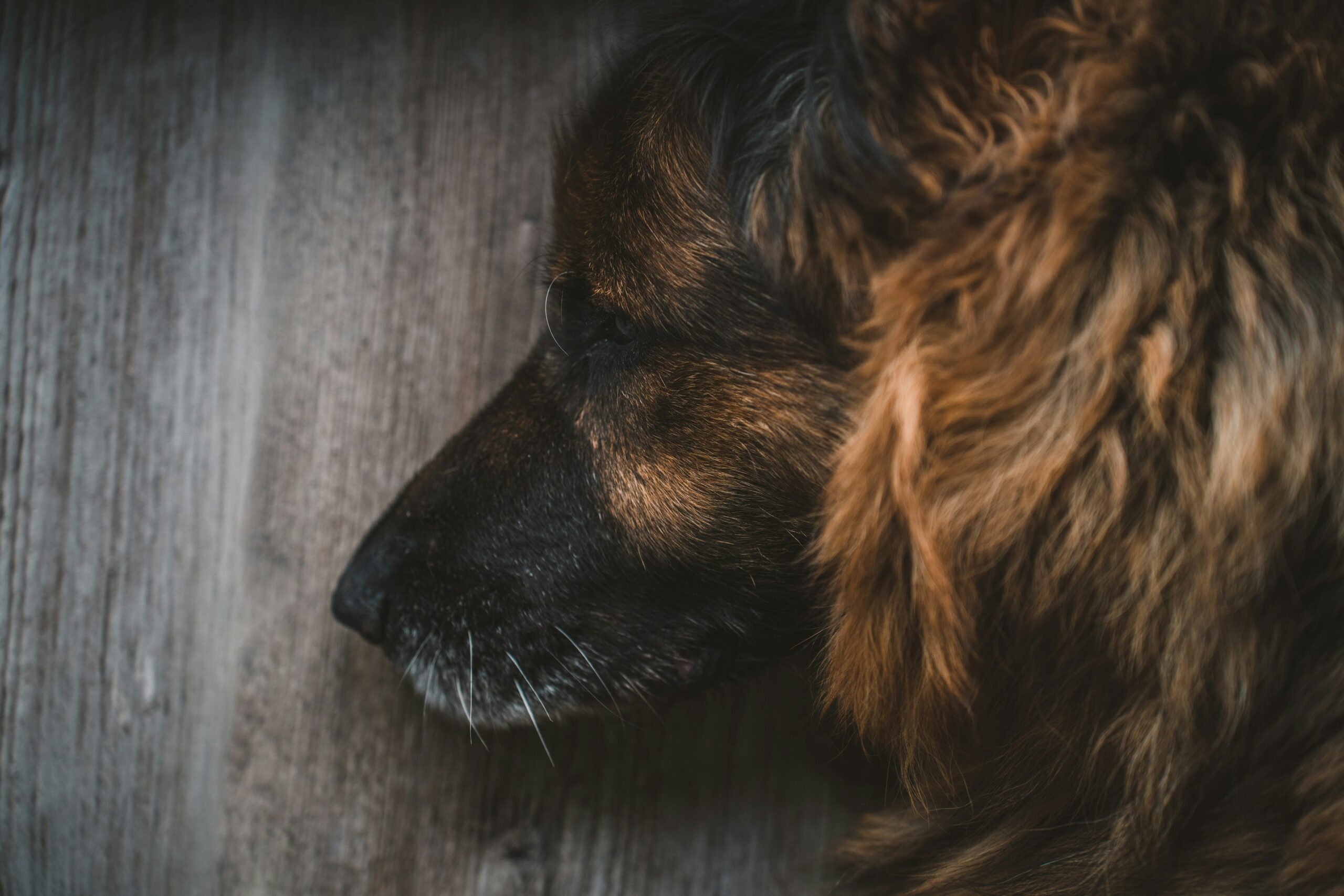
If your senior dog suddenly stopped eating, you’re probably worried — and rightly so. Appetite loss in older dogs can mean something minor, like a passing stomach upset, or something that needs a vet’s attention right away. The good news is that most cases have a clear cause and a practical solution. This guide walks you through exactly what to do when your older dog refuses food, how to spot warning signs, and how to get them eating again.
Quick Answer: Senior Dog Not Eating — TL;DR
A senior dog that stops eating for more than 24–48 hours needs a vet check. Common causes include dental pain, nausea, kidney disease, medication side effects, or reduced sense of smell. Short-term fixes include warming food, adding low-sodium broth, or switching textures. If your dog also shows vomiting, lethargy, or weight loss, call your vet the same day.
Why Senior Dogs Lose Their Appetite
Understanding why your old dog is refusing food is the first step. There’s rarely just one answer, but these are the most common reasons vets see in senior patients.
Dental Pain and Oral Problems
This is one of the top culprits. By the time a dog reaches senior age — generally 7+ years for large breeds, 9+ for small breeds — dental disease affects the majority of dogs. Broken teeth, infected gums, or loose molars make chewing painful. Your dog isn’t being picky. Eating hurts.
Check your dog’s mouth for redness, swollen gums, brown tartar buildup, or bad breath that goes beyond normal “dog breath.” According to the American Kennel Club, sudden changes in eating habits — regardless of cause — are always worth discussing with your vet.
Nausea and Digestive Issues
Senior dogs are more prone to gastrointestinal upset. Slower digestion, reduced enzyme production, and changes in gut bacteria all come with age. A dog that feels nauseous won’t want to eat — same as you when you’re sick.
Signs of nausea: lip licking, swallowing repeatedly, drooling, eating grass when they do go outside.
Underlying Health Conditions
Kidney disease, liver disease, Addison’s disease, and certain cancers are all more common in senior dogs and often show up first as appetite loss. These conditions cause systemic discomfort or toxin buildup that kills hunger.
This is why an elderly dog not eating for more than two days should always be evaluated — even if they seem otherwise okay.
Medications and Supplements
Many medications prescribed to senior dogs — including NSAIDs for arthritis, antibiotics, or heart medications — list appetite suppression or nausea as side effects. If your dog stopped eating shortly after starting a new medication, that’s worth discussing with your vet.
Loss of Smell and Taste
Dogs rely heavily on smell to stimulate their appetite. As dogs age, their senses dull. Food that used to be exciting just doesn’t smell as appealing anymore. This is especially common in dogs over 12 years old.
Warming food works so well precisely because it releases more aroma.
Cognitive Dysfunction Syndrome (CDS)
Dog dementia is real. CDS affects a significant portion of dogs over 11 years old. One of its lesser-known symptoms is forgetting to eat, eating at odd times, or simply losing interest in food altogether. If your dog also seems confused, paces at night, or doesn’t recognize familiar people, CDS could be a factor.
Environmental Stress or Change
Senior dogs are more sensitive to change than younger dogs. A new pet in the house, a family member leaving, moving furniture, or even a different feeding bowl can trigger food refusal in an anxious older dog.
How to Tell If It’s an Emergency
Most cases of a senior dog not eating are not emergencies — but some are. Go to the vet the same day if your dog shows any of these alongside food refusal:
- Vomiting more than twice in 24 hours
- Bloody stool or vomit
- Extreme lethargy — won’t get up, can’t stand
- Bloated or distended abdomen
- Pale or white gums
- Difficulty breathing
- Seizures or sudden disorientation
If it’s just appetite loss with no other symptoms, a 24-hour window is generally safe before calling your vet. After 48 hours of complete food refusal, always call — regardless of other symptoms.
7 Practical Things You Can Do Right Now
While you figure out the root cause, these tactics can help get your senior dog eating again.
1. Warm the Food
Heat kibble with a small amount of warm (not hot) water, or warm wet food slightly in the microwave. This makes the food smell much stronger, which can kick-start appetite in dogs with dulled senses. Always test the temperature before serving — it should be warm to your touch, never hot.
2. Add a Tasty Topper
A spoonful of bone broth, a small amount of plain boiled chicken, or a scrambled egg on top of their regular food can make it irresistible. Keep toppers simple and avoid anything with onion, garlic, or excessive fat.
3. Try Smaller, More Frequent Meals
Instead of two large meals, offer three or four smaller ones throughout the day. Senior dogs often tolerate smaller portions better, especially if nausea or digestive slowness is part of the issue.
4. Switch Textures
If your dog usually eats kibble, try switching temporarily to wet food. Softer food is easier to chew (important if dental pain is a factor) and tends to have a stronger smell. Some older dogs simply transition better to a mostly-wet diet.
5. Hand Feed for a Day or Two
Sit on the floor and hand-feed your dog a few pieces at a time. This works surprisingly well — it adds reassurance, reduces anxiety around the food bowl, and lets you monitor exactly how much they’re eating. It’s not a long-term solution, but it can break a short refusal cycle.
6. Reduce Mealtime Stress
Feed your senior dog away from other pets, in a quiet space. Some older dogs become anxious or overwhelmed in multi-pet households and simply won’t eat if they feel competition. A raised feeding bowl can also help dogs with arthritis or neck stiffness — bending down to ground level is painful for them.
7. Support Their Digestion with the Right Supplements
Sometimes an older dog refuses food not because of a serious illness, but because their digestive system just isn’t working as efficiently as it used to. Reduced enzyme production and shifts in gut bacteria are normal parts of aging — and they directly affect appetite.
This is where targeted supplements can make a real difference. A probiotic formulated for dogs helps rebalance the gut bacteria that support healthy digestion — and better digestion often means a better appetite. Many senior dog owners have had great results with FortiFlora, a vet-recommended daily probiotic that comes as a palatable powder you sprinkle over food. Because it’s a flavor enhancer as much as a supplement, even picky senior dogs tend to accept it readily — practical when your dog is already being selective about what goes in their mouth.
When to See Your Vet — and What to Tell Them
After 48 hours of food refusal, call your vet. When you go in, be ready to share:
- How long your dog has refused food
- What you’ve tried (different foods, hand feeding, toppers)
- Any other symptoms — even subtle ones like more water drinking, less energy, or different bathroom habits
- Current medications and supplements
- Any recent changes at home — new food brand, new pet, stressful events
Your vet will likely recommend bloodwork to check kidney and liver function, a urinalysis, and a physical exam including a dental check. These are standard for a senior dog appetite workup and can rule out the most serious causes quickly.
The Role of Nutrition in Senior Dog Appetite
Senior dogs have different nutritional needs than adults. Their caloric needs often decrease, but their need for high-quality protein increases — which sounds counterintuitive but is well-supported by veterinary nutrition research.
Many commercial “senior” dog foods are actually lower in calories AND protein, which can backfire. If your senior dog is already reluctant to eat, feeding them a low-protein diet may leave them lacking the nutrients they need to stay strong and maintain muscle mass.
Vets often recommend transitioning senior dogs to a high-quality, easily digestible food with real meat as the first ingredient. Avoid fillers like corn syrup, artificial preservatives, or excessive carbohydrate content.
Veterinary Disclaimer: The information in this article is for educational purposes only and is not a substitute for professional veterinary advice. Always consult your veterinarian before starting any new supplement or health regimen for your pet.
Frequently Asked Questions
How long can a senior dog go without eating before it becomes dangerous?
Most healthy senior dogs can go 24–48 hours without eating without immediate danger. However, dogs with existing health conditions — especially diabetes, kidney disease, or low body weight — can deteriorate faster. If your dog hasn’t eaten anything in 48 hours, call your vet regardless of whether they seem otherwise normal.
Should I force-feed my senior dog?
Generally, no. Forcing food can cause aspiration (food going into the lungs), increase anxiety around mealtimes, and worsen the underlying issue. If your dog truly won’t eat, your vet can prescribe appetite stimulants or recommend syringe feeding with a liquid diet in specific situations. Leave that call to the professional.
What home remedies can help a senior dog that won’t eat?
Warming the food, adding low-sodium broth, offering plain boiled chicken or scrambled eggs, and hand-feeding are the most effective home remedies. These work best when the refusal is mild and short-term. If appetite doesn’t return within 48 hours, home remedies aren’t enough on their own.
Can switching dog food cause appetite loss in older dogs?
Yes. Senior dogs are more sensitive to sudden food changes than younger dogs. A new brand, new formula, or new protein source can cause nausea and refusal. Always transition to new food gradually over 7–10 days — starting with 25% new food mixed into 75% old, then increasing slowly each day.
Is it normal for very old dogs (12+ years) to eat less?
Some reduction in appetite is normal as dogs reach very advanced age. Metabolism slows, activity decreases, and caloric needs drop. However, there’s a difference between eating slightly less and refusing food entirely. Any sudden change — even in a very old dog — is worth reporting to your vet.
Final Thoughts
Watching your senior dog turn away from their food bowl is genuinely stressful. You know your dog better than anyone — if something feels off, trust that instinct and call your vet. In the meantime, keep meals small and appealing, reduce stress around feeding time, and support their aging digestive system with the right nutrition.
Most senior dogs who stop eating temporarily bounce back quickly once the underlying cause is addressed. With the right care, your older dog can still have good quality of life, a healthy appetite, and plenty of mealtime enthusiasm — even in their golden years.
For more on supporting an aging dog’s health, check out our guide to the best supplements for senior dogs.
1 thought on “Senior Dog Not Eating: What to Do and When to Worry”